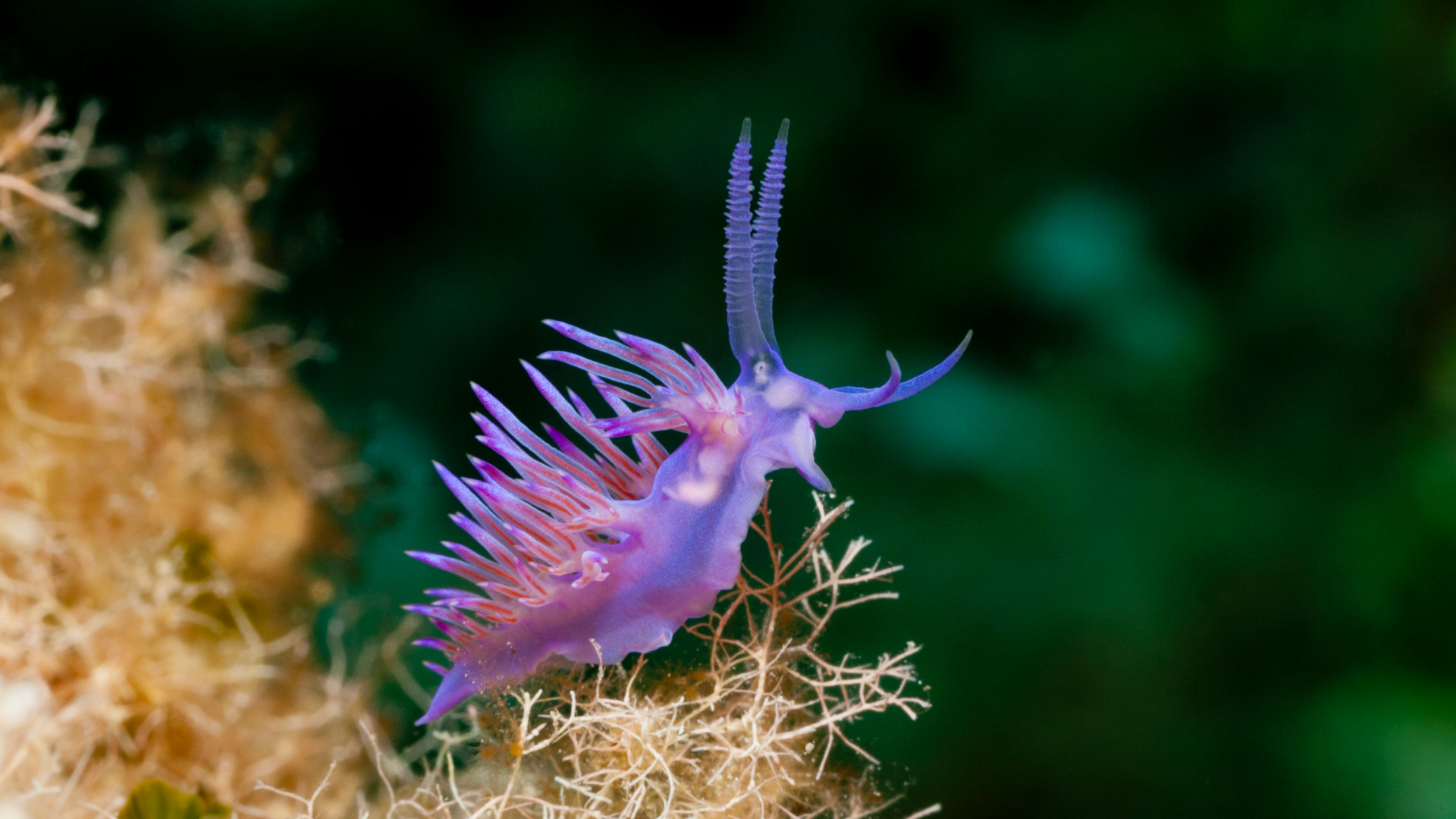
Biodiversity, understood as the richness and variety of living organisms on Earth, is fundamental to the functioning of ecosystems. Its importance, however, extends far beyond the environmental sphere: biodiversity underpins essential ecosystem services that economies, communities, and production systems rely upon. As biodiversity declines, these services begin to deteriorate, threatening the stability of economic activities that depend on healthy and balanced natural systems.
The dependence of human activities on biodiversity is particularly evident in the fisheries sector. According to the FAO, more than one third of global fish stocks are currently overexploited, and in the Mediterranean and Black Seas, 52% of assessed fish stocks were found to be overexploited in 2023 (The State of Mediterranean and Black Sea Fisheries, FAO). In many cases, fish are being harvested at a rate that exceeds the natural capacity of populations to replenish themselves. The result? A decline in commercially valuable species and a broader loss of marine biodiversity.
Biodiversity in crisis
While human survival is deeply dependent on biodiversity, human activities are also among the leading drivers of its decline. According to the IUCN, 38% of sharks and rays worldwide are currently threatened with extinction, while WWF estimates that 25% of marine animal species in the Mediterranean are at risk.
The main causes? Habitat destruction, overexploitation of natural resources, climate change, pollution, and the spread of invasive species.
Given the alarming situation, several initiatives have been adopted at the European level to reverse this trend. The EU Biodiversity Strategy for 2030 established the foundations for an ambitious restoration plan, later made legally binding through the Regulation (EU) 2024/1991 on Nature Restoration, which entered into force in 2024.
The regulation requires Member States to restore degraded ecosystems across at least 20% of the EU’s land and marine areas by 2030, with the long-term objective of restoring all ecosystems in need by 2050. This represents an ambitious yet necessary target, particularly in the Mediterranean Sea, where less than 9% of the marine surface is currently designated as Marine Protected Areas, and strictly protected zones (e.g. no-go, no-take, or no-fishing areas) cover less than 0.1% of the basin.
The private sector: the impact on biodiversity remains poorly quantified
Protecting marine ecosystems requires an integrated approach: on one hand, the expansion and strengthening of marine protected areas; on the other, a tangible reduction in pressures from economic activities. The private sector, despite its strong dependence on healthy oceans and marine resources, continues to exert significant direct and indirect impacts on marine environments.
In recent years, European regulations such as the CSRD, together with growing recognition of the financial risks associated with biodiversity loss, have pushed companies toward greater transparency and more sustainable strategies. However, impacts on marine ecosystems remain among the least measured and disclosed areas to date. Available data are often fragmented, difficult to compare, and based on standards that are still not fully harmonised within ESG frameworks and sustainability reporting. Corporate ocean-related disclosure continues to lag behind other environmental domains, such as climate change and CO₂ emissions, where metrics, indicators, and monitoring systems are far more developed and widely established.
Nature credits: a new frontier for biodiversity conservation
Alongside growing expectations for companies to measure and reduce their environmental impacts, there is also increasing emphasis on actively contributing to biodiversity protection and ecosystem restoration. The sustainability paradigm is evolving: from merely mitigating harm toward approaches that aim to generate positive and lasting impact on natural capital.
In this context, new financial and market-based instruments are emerging, such as nature credits: voluntary certificates that assign a measurable economic value to verified actions aimed at conserving, restoring, and enhancing natural ecosystems.
These credits represent the quantification of tangible, additional environmental benefits delivered to nature, helping to value and finance conservation and restoration initiatives while also creating new economic incentives for the private sector.
Unlike traditional carbon credits, nature credits are not based on a single metric; instead, they account for the overall ecological contribution of an intervention, reflecting a broader and more systemic perspective.
Although still voluntary, nature credits have been recognised by the European Commission as potentially strategic instruments for achieving the 2030 Nature Positive goals and helping to close the biodiversity financing gap. In 2025, the European Commission published the Roadmap towards Nature Credits, and the regulatory framework is still under development, with further progress expected throughout the 2025–2035 period.
In a scenario where more than half of global GDP depends directly on ecosystem services provided by nature, nature credits represent a key instrument for directing new financial flows toward a truly nature-positive transition. It is within this framework that Sea the Change participates in the European Commission’s working group on nature credits, with the aim of actively contributing to this evolving policy landscape.