A dynamic and delicate system
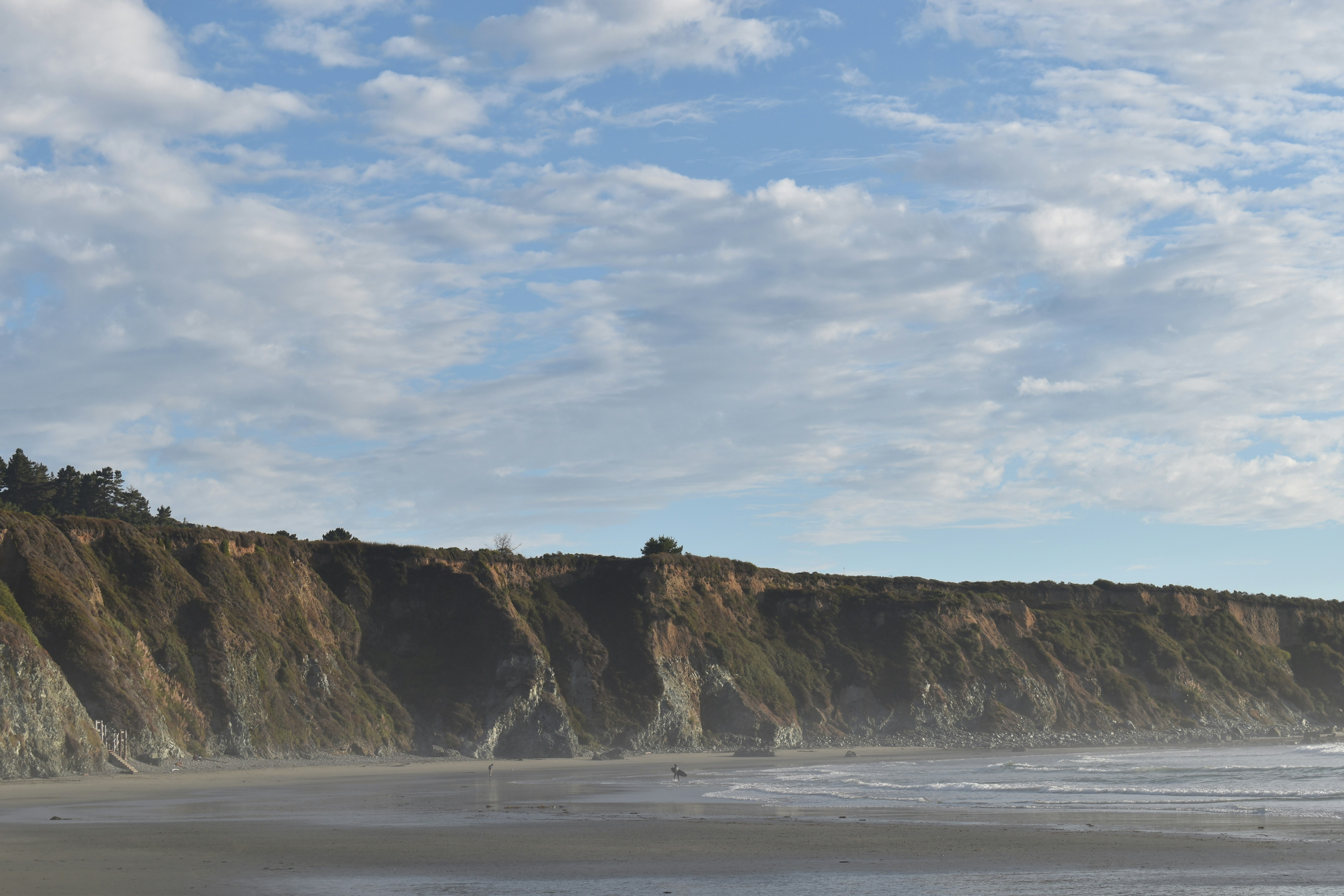
Seen from above, the coastline appears as a simple line separating land from sea, but its nature is more complex and dynamic: it is a transition zone between continental and marine environments, constantly reshaped by a delicate balance between erosion, sediment transport, and deposition.
It is therefore more appropriate to refer to a “coastal system”, a broader and more dynamic concept that includes all the interacting components along the shoreline. Coasts are influenced both by marine processes, such as waves, currents, and storm surges, and by terrestrial processes, such as river dynamics and changes in land use within the upstream drainage basin.
Coastal erosion: a natural phenomenon amplified by human activity
Although coastal erosion is a natural process driven by sediment cycle dynamics, human activities significantly intensify its effects.
Erosion is a phenomenon that continuously affects our country, which is surrounded by the sea and has more than 7,600 km of coastline. Every year, the issue impacts an increasing number of beaches and, according to ISPRA, 54 municipalities are classified as having “high rates of coastal erosion”, with many reaching values exceeding 50%.
The main factors contributing to coastal erosion include:
- The reduced supply of sediments to the sea, resulting from river regulation and the extraction of aggregates from riverbeds, limits the natural replenishment of coastal areas. As a consequence, many shorelines are no longer able to maintain their sediment balance, making them progressively more vulnerable to erosion.
- Coastal urbanization and development, including the construction of ports, residential areas, and infrastructure, further exacerbate the problem. These interventions disrupt the natural processes of sediment transport and deposition, often trapping sediments or redirecting them away from adjacent beaches, thereby creating a persistent imbalance in the coastal sediment budget.
- The degradation of natural ecosystems such as dunes and Posidonia oceanica meadows also plays a crucial role. These ecosystems act as natural buffers: dunes help stabilize and protect beaches from wave energy, while seagrass meadows reduce hydrodynamic forces and promote sediment retention. Their loss therefore weakens the resilience of coastal systems and increases overall shoreline instability.
- Finally, climate change represents an accelerating pressure on coastal environments. Rising sea levels, combined with changes in precipitation patterns and an increased frequency and intensity of extreme weather events, amplify erosion processes and reduce the capacity of coasts to recover naturally.
The cost is extremely high
The impacts of coastal erosion extend far beyond environmental degradation, affecting social systems and economic stability, and posing risks to settlements, infrastructure, and key economic assets along the shoreline. Approximately one third of the entire Mediterranean population (around 150 million people) lives along the coast, with coastal communities bearing the highest level of vulnerability.
Italy represents a clear example of this fragility. Along its 2,660 km of high coast, which accounts for 32.5% of the national coastline, more than 4,135 landslide events have been recorded, averaging 1.55 per kilometre. We are seeing it more and more frequently: the damage caused by coastal erosion results in extremely high costs and, in some cases, even loss of life.
According to the Blue Economy Report 2023, coastal flooding in the European Union currently generates approximately €1.2 billion in damages annually. This amount represents about one-sixth of the total budget of the European Maritime, Fisheries and Aquaculture Fund (EMFAF), underlining the scale of the financial impact relative to available resources. Without effective adaptation and mitigation strategies, these costs are projected to rise considerably due to accelerating sea-level rise and the increasing frequency of extreme weather events linked to climate change.
According to ISPRA, nearly one fifth of Italy’s coastline is now protected by hard defence structures. In the Ferrara coastal area alone, the Emilia-Romagna region has allocated €19 million to coastal protection, with interventions either already underway or in the planning phase. These measures cover a range of actions, from the restoration of sea embankments and the reinforcement of breakwaters to dune reconstruction and beach nourishment.
Nature-based solutions for resilient coasts
Hard engineering defenses, such as breakwaters, groynes, and seawalls, are among the most widely implemented protective measures against coastal erosion. However, these interventions are typically designed at a local scale, addressing specific stretches of coastline without accounting for the broader physiographic system where the sediment cycle dynamics occurs.
As a result, although these structures can provide effective short-term protection in targeted areas, they frequently interfere with natural coastal processes, potentially displacing erosion pressures along the coast or, in some cases, exacerbating it in neighbouring or even more distant stretches of shoreline.
Beach nourishment interventions represent softer solutions. While it can temporarily increase the volume of sand on a beach, the added material is gradually dispersed by natural processes, making regular replenishment necessary and leading to significant economic and environmental costs over time.
For these reasons, there is growing interest in alternative nature-based solutions that focus on protecting coastlines by enhancing and restoring natural ecosystems. Coastal habitats such as mangroves, wetlands, sand dunes, and seagrass and macroalgal meadows function as natural defenses against erosion, dissipating wave energy and helping to protect both the shoreline and the communities that depend on it.
Sea the Change tackles coastal erosion in close collaboration with local communities, offering businesses the chance to support high-impact projects that enhance coastal resilience. These include the “Poseidon” project, aimed at restoring Posidonia oceanica seagrass meadows, and a “Modular anti-erosion barrier,” already deployed along the Apulian coastline with encouraging results.
An integrated approach remains the most effective strategy, and a simple principle is valid: prevention is better than cure. In this context, natural ecosystems are among our most valuable allies in building more resilient coastlines and reducing the impacts of erosion. Investing in their protection, alongside the sustainable management of coastal systems, offers the most efficient and long-lasting solution.
Discover our projects on SEAS 1.0→ link