A pillar of the Blue Economy
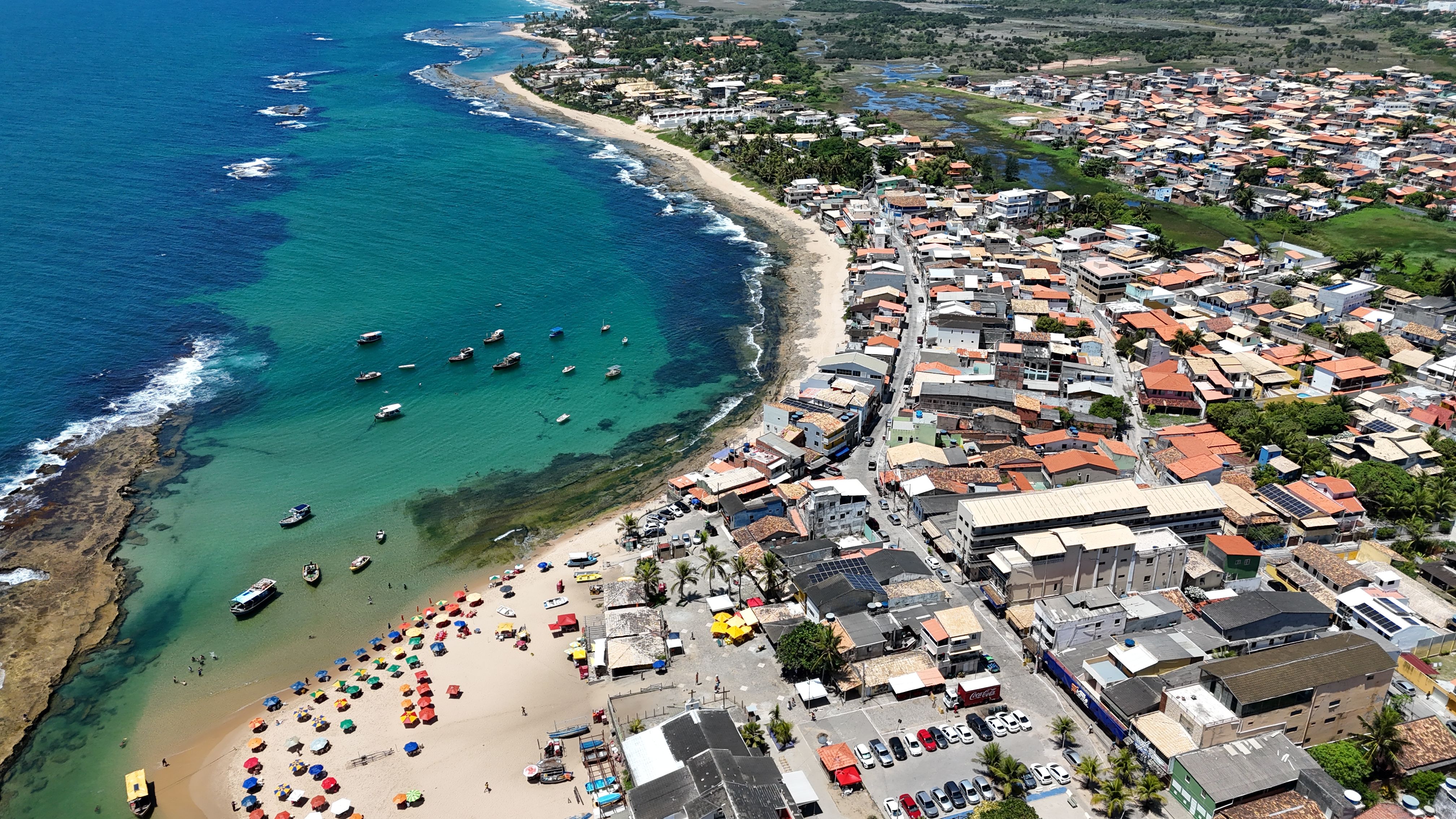
Italy’s reputation as one of the world’s most renowned tourist destinations, thanks to its rich historical, artistic, and cultural heritage, is well established. However, with over 7,500 kilometres of coastline, the country is also a leading destination for coastal tourism. Like many Mediterranean countries, Italy relies heavily on this sector, which has become a strategic pillar of the national economy. Coastal tourism generates €28.3 billion in GVA, accounting for approximately 35.4% of the Blue Economy’s total GVA in Italy. It also represents 45.4% of the sector’s workforce, providing employment for around 266,000 people.
Environmental and Social Impacts
Coastal tourism depends on the quality of the environment: no traveler chooses a destination that has lost its natural appeal. Yet, if not managed sustainably, tourism can undermine the environmental integrity and attractiveness on which it depends. Coastal ecosystems are fragile, and the seasonal tourism pressure can significantly disrupt their natural balance. This can lead to increased urbanization, greater waste production, loss and degradation of habitats.
Overtourism occurs when visitor numbers exceed a destination’s carrying capacity, creating impacts that extend far beyond the environment. It places growing pressure on local communities, affecting residents' quality of life, straining public services and infrastructure, and ultimately diminishing the overall visitor experience. Large visitor flows increase pressure on essential resources such as water and energy. In many coastal areas, where water availability is already limited, this can intensify competition between tourism demand and the everyday needs of local communities. The expansion of accommodation facilities and real estate investments can also contribute to tourism-driven gentrification, leading to rising living costs and making it increasingly difficult for many residents to continue living in the places they call home. At the same time, the growing presence of large international chains and brands can threaten the viability of small hospitality businesses, such as B&Bs and family-run hotels. For decades, these businesses have been the core of local hospitality, preserving the identity and uniqueness of many destinations. It is clear that this tourism model is not sustainable, neither for the environment nor for local communities. Without proper management, tourism risks becoming a profit-driven model that prioritizes economic growth over the natural value of destinations and the well-being of local communities.
A shift is needed
These challenges, together with the profound social and economic transformations shaping our time, call for a new paradigm.
Tourism demand is changing, and data confirms this shift. As the traditional mass tourism model is increasingly questioned, more travellers are seeking sustainable, authentic, and meaningful experiences. A new trend of “anti-overtourism” is emerging: in 2026, the most sought-after destinations are expected to be small villages and lesser-known areas, which have experiences a 52% increase in online searches. At the same time, interest in proximity tourism is growing, encouraging people to explore nearby destinations and places located outside the main tourist circuits. Travellers are increasingly choosing hidden gems, less crowded locations, and alternative travel periods beyond the peak season. For years, tourism, also shaped by the rise of social media, has been driven by a “checklist” mentality: visiting as many places as possible, reaching iconic landmarks, and sharing personal “achievements” online. Today, however, a new awareness is emerging among travellers. The desire to truly experience a place is gradually replacing the idea of simply collecting destinations. Even when this shift is not driven by environmental awareness, it is often a direct response to the consequences of mass tourism itself: overcrowded destinations and a declining quality of experience that make these places increasingly difficult to enjoy, even for visitors
How to address the new challenges?
The sector must embrace innovation, anticipate emerging trends, and better understand the evolving expectations of travellers. The key lies in recognizing the unique identity of each destination and transforming its natural, cultural, and social assets into shared value, for visitors, local communities, and the environment. The main challenge is to diversify the tourism offer, developing new ways of experiencing and engaging with coastal areas. Among the priorities for the future is the need to extend the tourism season and promote alternative ways of enjoying the coast. Above all, investing in sustainability is essential, and this also means embracing digital transformation. Social media, which have contributed to the rise of mass tourism by concentrating visitor flows towards a limited number of popular destinations, can also become a powerful tool for driving change. By promoting lesser-known locations and highlighting alternative experiences, digital platforms can help redistribute tourism flows and support more balanced development. Tourism promotion is increasingly shaped by digital tools, online platforms, and social media channels, making new skills in communication, digital marketing, and data analysis essential. An effective digital strategy can not only increase the visibility of a destination but also provide valuable insights into visitor behaviour, enable better monitoring of tourism flows, and support the development of more targeted, sustainable, and resilient tourism models. Technology can become an ally in this transition. However, this evolution requires new skills, investments, and resources. In recent years, the digital transformation of tourism has driven the growth of initiatives focused on sustainability, from specialised university programmes and professional training courses to funding opportunities and dedicated programmes supporting the sector’s ecological and digital transition.
The role of Sea the Change
Sea the Change supports tourism stakeholders throughout this transition by providing strategic guidance, including support in grant writing and access to international funding programmes. These opportunities enable the development of projects focused on sustainability, digitalisation, innovation, and the long-term resilience of coastal territories. The goal is to move beyond a model based on the consumption of existing resources towards a regenerative approach capable of creating new value for destinations. This means adopting a long-term vision that places natural ecosystems at the heart of development while recognising the needs of the people who live in these places throughout the year, not only during the tourism season.
A truly sustainable coastal tourism model can become a powerful driver of positive change: strengthening local economies, creating new employment opportunities, and enhancing the environmental, cultural, and productive heritage that makes each destination unique.
Contact us: This email address is being protected from spambots. You need JavaScript enabled to view it.
REFERENCE
https://blue-economy-observatory.ec.europa.eu/country-profiles/italy_en
This email address is being protected from spambots. You need JavaScript enabled to view it.