A multitude of diverse environments
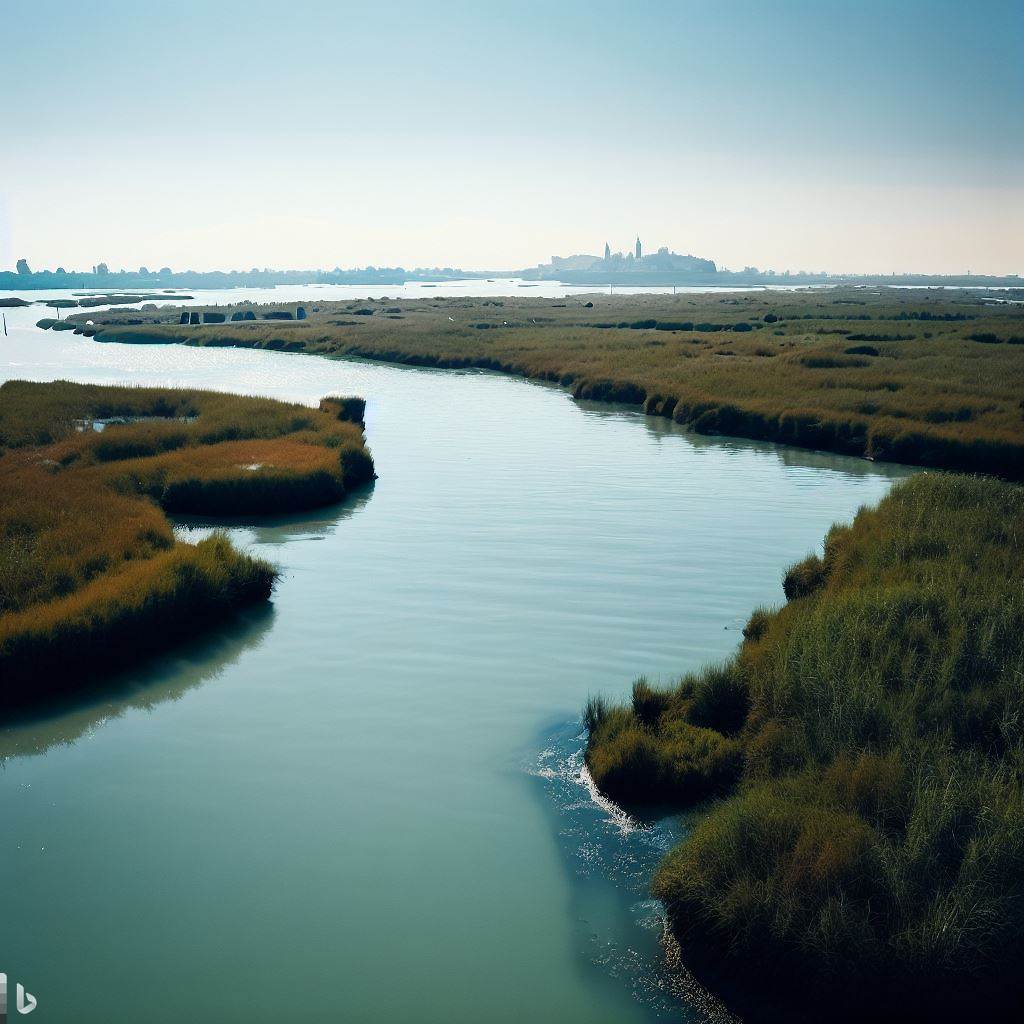
At the interface of land and water, wetlands include an extraordinary range of environments, all linked by one essential element: water. From marshes and swamps to peatlands and natural or artificial basins, whether permanent or seasonal, with still or flowing water, fresh, brackish, or saline, they all fall under the definition of wetlands. Despite their diversity, these ecosystems cover only about 6% of the Earth’s surface.
Their unique location and dynamic nature make wetlands true biodiversity hotspots. It is estimated that about 40% of the planet’s plant and animal species depend on these ecosystems.
Conditions in wetlands are highly variable: water levels can rise or fall dramatically, oxygen levels may drop, turbidity can increase, and salinity can reach high levels. To thrive, each species has evolved specific strategies and adaptations, transforming environmental challenges into opportunities for survival and growth.
47 Trillion Dollars in Ecosystem Services
Wetlands play a strategic role in water and climate regulation, and provide ecosystem services whose annual value is estimated at 47 trillion dollars, exceeding the value provided by forests, deserts, or grasslands.
They act as natural sponges, absorbing excess rainfall and releasing it gradually, reducing the risk of flooding. In coastal areas, wetland vegetation slows down wave energy and traps sediments, helping to protect shorelines from erosion and safeguard coastal communities.
Wetlands are among the most productive ecosystems on Earth, capable of absorbing and storing carbon over the long term, up to five times more per unit area than terrestrial forests. Beyond their role in climate regulation, wetlands act as natural water purifiers, filtering out excess nutrients and pollutants and helping to maintain healthy aquatic environments.
Sustainable Development and Cultural Value
These ecosystems play a vital role in sustainable development, supporting economic activities such as tourism, fishing, and salt harvesting,among others. They are true cultural landscapes, shaped over time through the interaction between humans and nature, in harmony with local resources, the land, and natural cycles of regeneration.
Venice provides a striking example of this relationship. The Lagoon reflects centuries of human adaptation to a fragile ecosystem, where wetlands have influenced architecture, livelihoods, and the city’s cultural identity. This delicate interplay between nature and human activity has created an intangible cultural heritage of immense value that deserves protection.
A Threatened Heritage
Despite their vital importance, wetlands are among the most endangered ecosystems in the world. In Europe, their area has declined by an estimated 48% since 1970, and globally the situation is even more alarming: wetlands are disappearing at three times the rate of forests.
Historically, they were often viewed as unhealthy areas to be drained, and widespread interventions for agriculture or public health led to the complete loss of many wetland regions.
Today, wetlands face new threats. Growing urbanization, intensive farming, and the spread of invasive alien species are profoundly altering these ecosystems. Pollution remains a serious concern: although wetland vegetation has remarkable natural filtration abilities, contaminants still put countless species at risk. Rising temperatures further exacerbate the problem, causing wetlands to shrink, and in some cases, dry up entirely.
The Ramsar Convention
In recognition of their ecological importance, the Convention on Wetlands of International Importance was adopted in 1971 in Ramsar, Iran. It is the only global treaty dedicated to a single ecosystem. Its mission is twofold: to designate the most valuable wetlands as Ramsar Sites and to promote their sustainable management, encouraging greater cooperation among countries.
Today, Italy has 63 internationally recognized Ramsar Sites, spread across 15 regions and covering a total of 81,091 hectares.
The Convention emphasizes the urgent need to halt and reverse wetland loss. This requires not only protecting and restoring existing wetlands but also creating new, sustainably managed artificial wetlands to ensure the long-term conservation of these vital ecosystems.
The private sector’s role: a commitment to strengthen
In this context, taking collective responsibility is essential, and the active involvement of the private sector is key. Wetlands are not only invaluable for the environment but are also significant economic assets. The cost of inaction would be enormous. That’s why it is crucial to promote a model in which companies play a leading role, integrating wetlands into their strategies and committing concretely to the protection of these ecosystems.
Contact us to learn how to incorporate wetland conservation into your sustainability strategy: This email address is being protected from spambots. You need JavaScript enabled to view it.
references
https://www.ramsar.org/sites/default/files/ramsar_50_factsheet_biodiversity_english_as_v7.pdf
https://climate.sustainability-directory.com/question/what-are-the-economic-benefits-of-wetlands/