Record-breaking temperatures: every year the same story
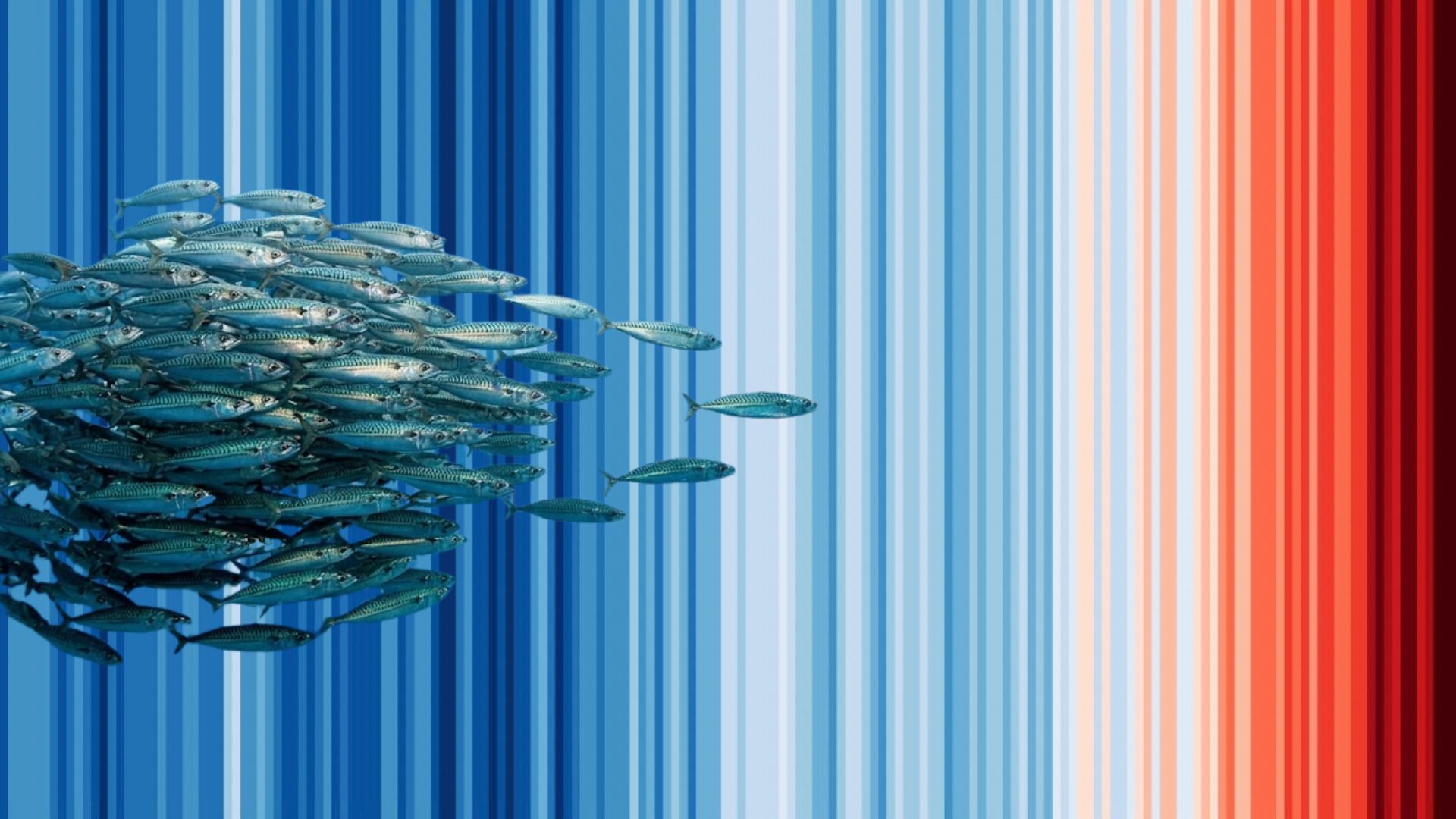
Every summer, the Mediterranean keeps getting warmer, with average daily sea temperatures reaching 28.54°C this August, the highest level recorded since 1940.
What is particularly concerning is the increasing frequency of marine heatwaves: prolonged periods when sea surface temperatures rise well above the seasonal average. What makes these events especially concerning is not only how intense they are, but also how long they last. Over the past 30 years, marine heatwaves have increased by more than 50% as a result of climate change (IUCN, 2021). Events once considered exceptional are becoming more frequent and lasting longer. They can no longer be seen as isolated extremes, but are increasingly becoming part of our everyday reality.
How much does climate change affect fisheries?
A lot. A whole lot.
In the Mediterranean and Black Sea, fisheries generate around $3.1 billion in first-sale revenue and support approximately 750,000 jobs across the value chain. A vital sector for coastal communities, but one that is now facing increasingly intense pressures (The State of Mediterranean and Black Sea Fisheries, 2025).
“Climate migrants” of the sea
As the oceans warm, marine species are on the move, with entire fish populations shifting towards areas where environmental conditions are more favourable. Some species are becoming less common in traditional fishing grounds, while others are appearing in areas where they were previously rare or absent, reshaping both marine ecosystems and the livelihoods that depend on them.
A striking example is Atlantic mackerel, which has progressively shifted northward since 2007 as waters have warmed. Studies suggest that for every 1°C increase in sea temperature, the species’ spawning grounds shift approximately 370 km further north (Chust et al., 2023).
At the same time, warming waters are creating increasingly favourable conditions for species typically associated with warmer seas. One example is the Mediterranean bristleworm (Hermodice carunculata), a stinging and voracious species that has become particularly problematic in southern Italy. It can enter fishing nets, reach trapped fish and feed on their flesh, damaging the catch and making it unfit for sale.
The bristleworm is one example of how rising temperatures can favour the spread of species already present in the Mediterranean. But an even broader transformation is underway: the “tropicalisation” of the Mediterranean, driven by the arrival and establishment of species from tropical and subtropical waters, many of which enter through the Suez Canal from the Red Sea.
The scale of this change is significant. It is estimated that a new non-native species enters the Mediterranean every two weeks, bringing the total to more than 1,000 species, a significant increase from the fewer than 800 recorded by the European Environment Agency between 2012 and 2017.
These newcomers do more than simply add new species to the Mediterranean. They can compete with native species, alter food webs and reshape fish communities. In turn, these ecological changes can have direct consequences for fishing practices, catches and livelihoods.
What about aquaculture?
It’s not only wild fisheries that are feeling the effects of a warming sea. Aquaculture is also increasingly exposed to climate change, with rising temperatures putting both current production and future yields under growing pressure.
In 2026, mussel farming in Emilia-Romagna was hit particularly hard, with mortality rates reaching up to 100% in some areas and losses of mussel seed of up to 90%. Warmer waters can also promote the formation and spread of mucilage, which accumulates on shellfish, interfering with their ability to filter water and carry out essential physiological functions. In some coastal farming areas, these combined impacts have led to product losses of 60–70%.
Similar challenges have also affected mussel farms in the Mar Piccolo of Taranto, where high temperatures have damaged not only market-ready mussels, but also juvenile mussels that are essential for future production.
Ocean acidification: an invisible change
While extreme heat is something we can experience directly, ocean acidification is a quieter transformation, invisible to us, but no less harmful. The average global surface ocean pH fell from 8.11 in 1985 to 8.04 in 2024, and is expected to continue declining in the coming decades (European Environment Agency).
It may sound like a purely scientific phenomenon, something disconnected from our everyday lives. Yet its effects go well beyond the chemistry of seawater, putting increasing pressure on marine ecosystems and the economic activities that depend on them.
Ocean acidification is driven primarily by the ocean’s absorption of atmospheric CO₂. As more CO₂ dissolves into seawater, the concentration of carbonate ions decreases. These ions are essential for corals, shellfish and many other marine organisms to build and maintain their shells and skeletons. This weakens not only these organisms, but also biogenic habitats: structures “built” directly by living organisms and their remains, which, among other things, are biodiversity hotspots and crucial areas for fisheries (OGS, 2023).
Resilience: an essential capacity for navigating a changing sea
Facing challenges that may seem overwhelming, and the answer cannot be to simply return to the way things were. Climate change is a global challenge, one of the most complex and urgent of our time.
The fishing sector must therefore learn to navigate a changing sea, strengthening its resilience and ability to adapt.
To address change, we first need to understand it: what is changing, how, and how quickly. And fishers, through their daily presence at sea and their first-hand knowledge of the local environment, can become true sentinels of the sea, contributing to monitoring, the collection of up-to-date data and early warning systems.
Protecting fisheries also means protecting the habitats that sustain them. Marine Protected Areas are one practical tool for doing so: they provide refuge and nursery grounds for numerous species, helping fish populations recover and supporting spillover into surrounding areas (FAO).
Diversification is also key, both in the species targeted by fisheries and in income sources for coastal communities. Making better use of underutilised species and complementing fishing with other activities can help strengthen local economies, reduce dependence on a single source of income and improve their ability to adapt to change.
Sea the Change works in this direction, developing projects together with fishers to strengthen their role in protecting the sea, promote innovation and help the sector adapt to a changing environment. At the same time, we develop initiatives to restore coastal habitats and address the other pressures that, together with climate change, are putting the health of our seas at risk.
Contact us and discover SEAS → LINK